
What Is Matcha? Benefits, Grades & How to Order It
By the Thongyib Thongyod team · Updated 8 July 2026
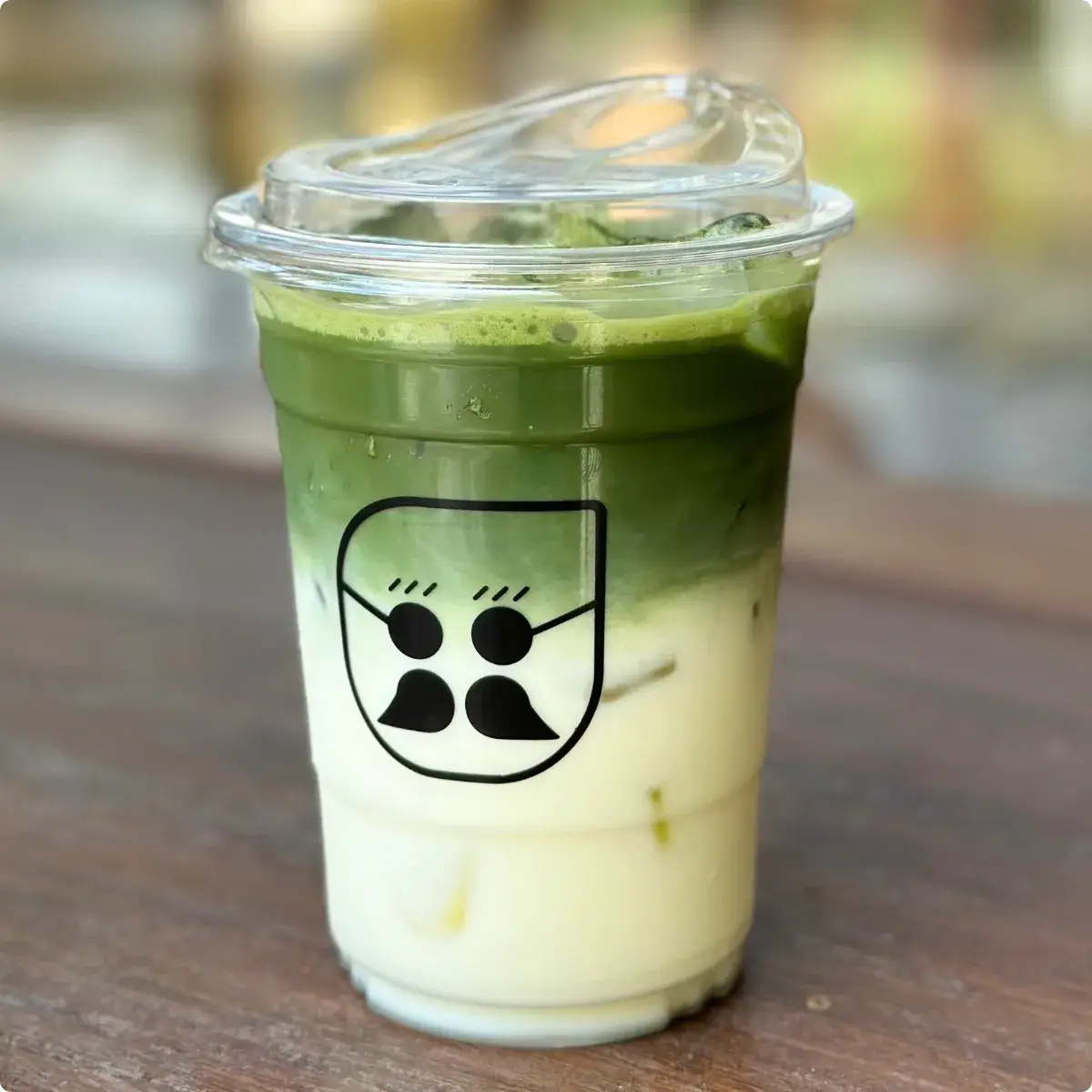
Matcha is Japanese green tea in its most concentrated form: leaves grown in the shade before harvest, then stone-ground into a fine, vivid-green powder that you whisk into liquid and drink whole rather than steeping and throwing away. Because you consume the entire leaf, one cup delivers more of the plant’s antioxidants and caffeine than a bag of ordinary green tea — and its caffeine comes paired with an amino acid, L-theanine, that smooths the energy into a calm, steady alertness. You need only about a teaspoon per cup, and the grade you choose matters more than most cafe menus let on.
In short:
- Matcha is shade-grown green tea, stone-ground to powder and drunk whole — leaf and all
- Whole-leaf means more catechin antioxidants (especially EGCG) than brewed green tea
- Caffeine plus L-theanine gives “calm alert” energy — steadier than coffee, less of a crash
- Ceremonial grade is for whisking plain; culinary/latte grade is built for milk and blending
- Use about 1 teaspoon (1–2 g) per cup; heavily sweetened cafe versions dilute the benefits
We run Thongyib Thongyod, a specialty-coffee cafe near Nopparat Thara Beach, and matcha has quietly become one of our most-ordered pours — often by people who are not sure what it is, only that it is green and everyone is drinking it. So here is the honest explainer: what matcha is, what it does, how the grades differ, and how to order a cup that is actually worth drinking.
What exactly is matcha?
Matcha is powdered green tea, but the growing and processing are what set it apart from the green tea in a supermarket bag. For a few weeks before harvest, the tea plants are covered and grown in the shade. That shade slows the leaves down, pushing them to produce more chlorophyll — hence the intense green — and more L-theanine, the amino acid behind matcha’s signature calm. The best leaves are then steamed, dried, stripped of stems and veins, and stone-ground into an ultra-fine powder.
The crucial difference is what you do with it. Brew normal green tea and you steep the leaves, then bin them, keeping only what dissolved into the water. With matcha you whisk the whole powdered leaf into the drink and swallow all of it. Nothing is discarded, so you take in far more of the leaf’s compounds — the antioxidants, the caffeine, the theanine — from a single cup. That is also why quality and quantity matter: you are literally eating the tea, so a teaspoon of good powder goes a long way.
What are the benefits of matcha?
Its two headline benefits are antioxidants and a calmer kind of caffeine. Matcha is dense in catechins, a group of plant antioxidants, and especially rich in one called EGCG that has drawn most of the research interest. Because you drink the whole leaf, a cup carries a meaningful concentration of these compounds.
The energy is the part people feel immediately. Matcha contains caffeine — enough to be a real lift — but it arrives alongside L-theanine, and that pairing changes the experience. Where coffee can spike and then drop you, the theanine takes the edge off the caffeine, producing what regular drinkers describe as “calm alert”: focused, awake, but not wired. It is why matcha has a reputation as the thinking person’s afternoon drink. A fair caveat, though: those benefits belong to the matcha, not the three pumps of syrup a lot of places drown it in. A sugar-heavy matcha latte is a treat, and there is nothing wrong with a treat, but it is not the same health drink as a well-made, lightly sweetened cup. Order it green-forward and you keep what makes matcha matcha.

Planning a slow Ao Nang morning? Start it at our table — we open at 8:00, five minutes from Nopparat Thara Beach. See the menu · Get directions
Ceremonial vs culinary: which matcha should you order?
It depends on how you are drinking it — plain or with milk. The two grades are made for different jobs, and paying ceremonial prices for a milky latte, or expecting culinary powder to shine whisked with plain water, are the two mistakes worth avoiding.
| Grade | Leaves | Colour | Taste | Best for |
|---|---|---|---|---|
| Ceremonial | Youngest, first-harvest, shade-grown | Vivid jade green | Smooth, sweet, gentle umami | Whisking plain with hot water |
| Culinary / latte | Later harvests | Duller, olive green | Bolder, more bitter | Lattes, smoothies, baking |
Ceremonial grade is the good stuff: the youngest, most tender first-harvest leaves, ground to a bright jade powder that tastes smooth and subtly sweet with a savoury umami depth. It is meant to be whisked simply with hot water and sipped on its own, the way it is served in a Japanese tea ceremony. Culinary or latte grade comes from later harvests, runs a duller green, and tastes stronger and more astringent. That is not a flaw — that boldness is exactly what lets it cut through milk, ice, and sweetener without vanishing, which is why it is the right choice for a latte or a smoothie. In a cafe, a good matcha latte usually uses a high-quality culinary or dedicated latte grade, and that is perfectly honest; you would waste delicate ceremonial powder by burying it in milk.
How do you order matcha at a cafe?
Ask how it is prepared, keep the sweetener light, and match the grade to the drink. A well-made matcha starts with about a teaspoon of powder — roughly one to two grams — whisked into a small amount of hot but not boiling water. Water that is too hot scorches the leaf and turns it bitter, so around 70 to 80°C is the target. From there it becomes whatever you want: topped with hot or cold water for a plain matcha, or with milk over ice for a latte. If you want the real benefits, ask for it less sweet — the flavour of good matcha does not need much help.
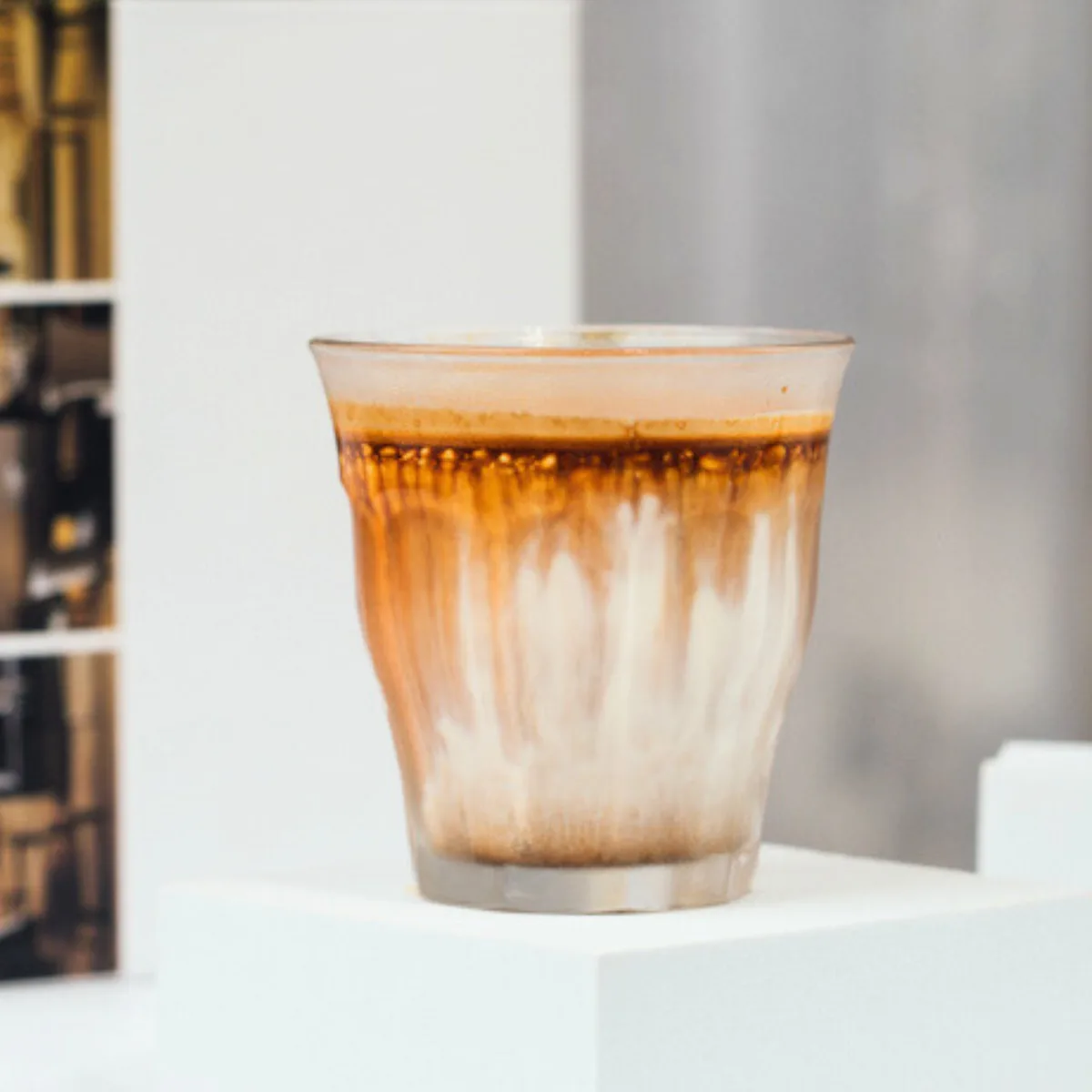
At Thongyib Thongyod we pour four matcha drinks, because one was never enough for how our regulars drink it. You can have it clean and green over hot water, or as an iced latte on a hot afternoon when nothing else will do, and for the people who cannot choose between their morning coffee and their matcha we make a Dirty Matcha — matcha with a shot of espresso pulled through it. We whisk to order rather than pre-mixing from a bottle of syrup, and we will happily dial the sweetness down if you ask, because a good matcha earns the right to taste of itself. It is the best of both: the calm, grassy depth of the tea with an unmistakable coffee kick riding underneath, and it has quietly become a favourite of our afternoon crowd. If matcha is your gateway to our cold-drinks board, the other door is Thai coffee — our guide to oliang and Thai iced coffee covers that side, and it also blends beautifully into a smoothie bowl if you want your green fix by the spoonful.
Practical information
- How much to use: About 1 teaspoon (1–2 g) per cup. More turns bitter; less disappears under milk.
- Water temperature: Hot but not boiling, around 70–80°C. Boiling water scorches matcha and makes it harsh.
- Sweetness: Cafe matcha is often heavily sweetened, which masks the flavour and dilutes the benefits. Ask for it less sweet to taste the real thing.
- Grade: Ceremonial for whisking plain, culinary or latte grade for anything with milk — both legitimate, just for different drinks.
- Storage tip for home: Keep matcha sealed, cool, and away from light; it fades fast once opened.
- Where to find us: Thongyib Thongyod, Ao Nang Landmark, Khlong Haeng — open daily 8:00 to 18:00. See our find-us page or the full coffee and drinks menu.
Quick answers
What is matcha? Japanese green tea leaves, shade-grown before harvest, then stone-ground into a fine powder you whisk into liquid and drink whole. Because you consume the entire leaf, you take in more of its nutrients than with brewed green tea.
What are the benefits of matcha? It is rich in catechin antioxidants, especially EGCG, and pairs caffeine with L-theanine for a calmer, steadier alertness than coffee — energy without the same jittery spike or crash.
What is the difference between ceremonial and culinary matcha? Ceremonial uses the youngest first-harvest leaves and is meant to be whisked plain; culinary or latte grade is bolder and more bitter, built to stand up to milk, sweetener, and blending.
How much matcha do you use per cup? About one teaspoon, roughly one to two grams, whisked into a little hot (not boiling) water before you add milk or more water.
Where can you order matcha in Ao Nang? At Thongyib Thongyod, open from 8:00 near Nopparat Thara Beach. We pour four matcha drinks, including a Dirty Matcha — matcha with a shot of espresso — for people who want both the calm and the kick.
Matcha rewards a little curiosity: understand the grade, keep the sugar honest, and you have one of the most satisfying drinks going, coffee kick optional. We would love to whisk you one — plain, iced, or dirtied with espresso. Find us at Ao Nang Landmark any day from 8:00 to 18:00, look over the menu if you like, and we will save you the pond-side table.